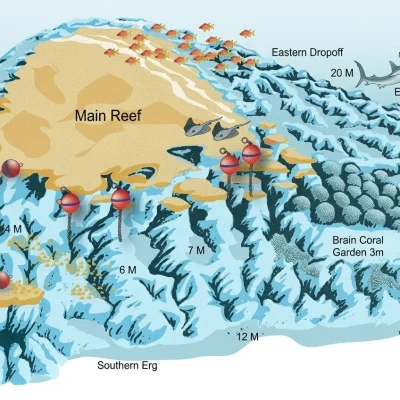
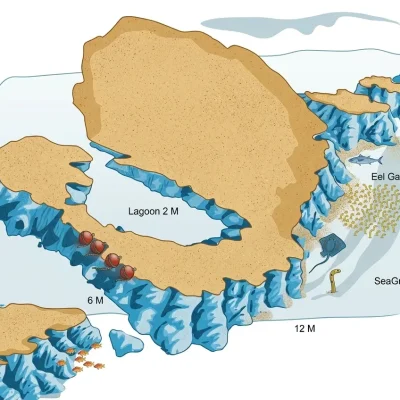
Ras Abu Soma is the prominent “head” of the Abu Soma peninsula, forming the eastern boundary of Soma Bay and marking the start of a longer fringing reef system that runs north–south. The reef begins virtually at the shoreline, with very shallow water and a broad coral garden that gently slopes down to sand, coral blocks, and then a deeper edge with a pronounced drop‑off. Several named spots fall within this area, including the shallow Abu Soma Garden on the southern side and deeper wall and plateau sections further north. Thanks to its easy access from Soma Bay, varied depth range, and generally calm conditions, Ras Abu Soma is popular both as a training and check‑dive site and as a relaxed reef for more experienced divers who want to stay close to shore.
Because Ras Abu Soma hugs the coastline and sits inside the protection of the peninsula, it is usually sheltered from prevailing wind and waves compared with the exposed offshore reefs. The current is typically mild to moderate and most often flows from north to south along the reef, making it possible to plan gentle drift dives when conditions allow. In the shallow garden and lagoon sections, the water is often very calm, which is why they are frequently used for training and snorkelling. Visibility is commonly in the 15–25 m range, and because the reef starts almost at the surface, there is plenty of light in the top 10–15 m where many dives are conducted.
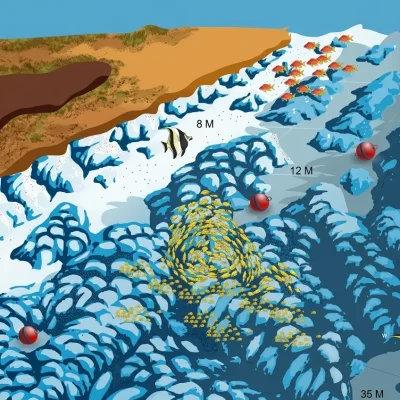
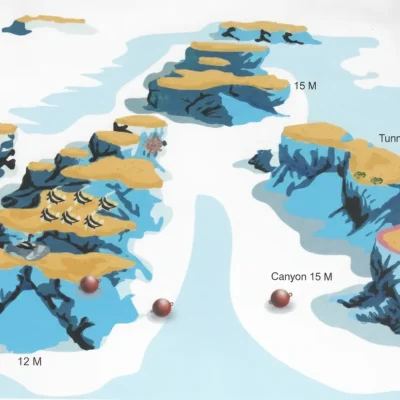
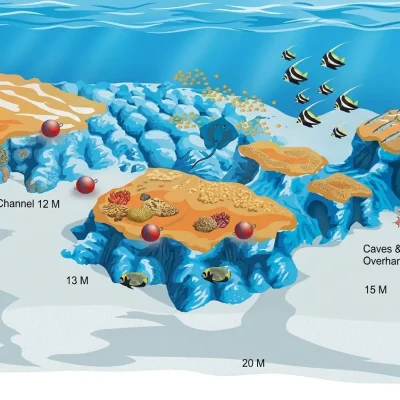
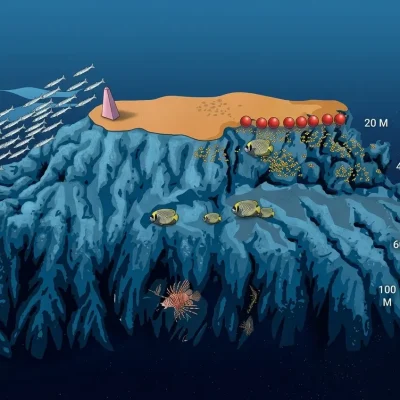
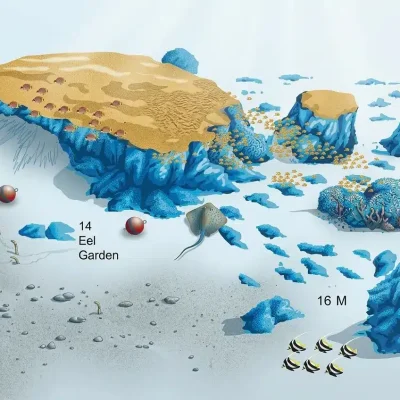
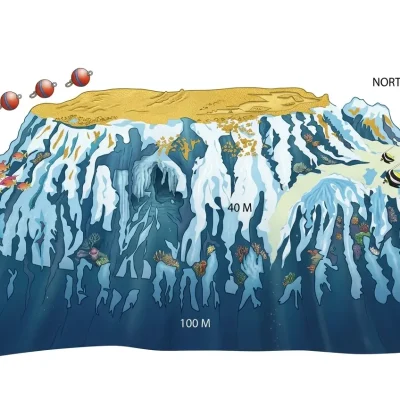
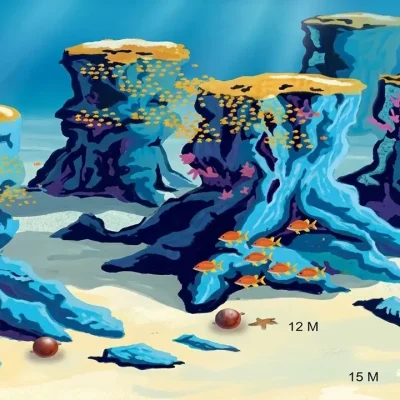
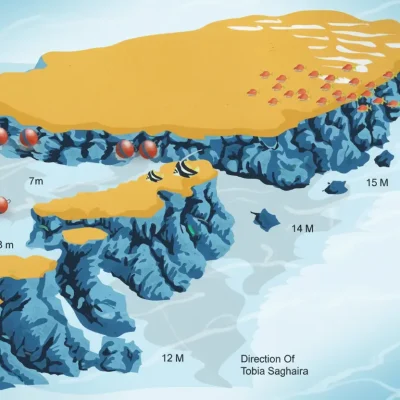
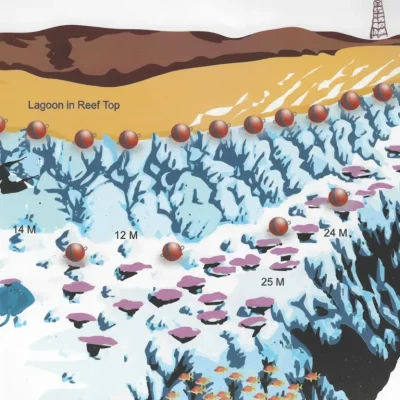
A typical “Abu Soma Garden” style dive (south side of Ras Abu Soma) starts in very shallow water around 1–3 m and follows the gently sloping coral garden down to 15–20 m, with the option to go deeper toward 30–40 m where the garden merges into the outer slope. This route is ideal for beginners and long, multilevel no‑deco dives, looping between coral blocks, sandy patches, and small pinnacles before returning shallower to finish the dive at 5–8 m over the garden. Further north along Ras Abu Soma, the reef forms a wall that drops more steeply; dives there often start on a sloping reef at 15–20 m, reach a plateau around 25 m with large table corals, and then continue along the drop‑off before turning back shallower along the reef. Depending on the current, these sections can be divided as either out‑and‑back profiles from a moored boat or as easy drifts with the reef on one side and the blue on the other.
The Abu Soma Garden area is known for its rich coral growth and classic garden species: clownfish in anemones, cornetfish, yellowfin goatfish, balloonfish, blue‑spotted stingrays, and large moray eels hiding between the coral heads. Across Ras Abu Soma more broadly, you can expect schools of reef fish, including anthias, fusiliers, butterflyfish, parrotfish, and wrasses, plus regular sightings of barracuda and jacks cruising along the reef edge. Moray eels, octopus, cuttlefish, and sometimes squid are reported on the plateau and garden areas, with turtles and occasional eagle rays visiting the coral garden and drop‑off. The site’s mix of shallow coral, sand patches, and deeper wall sections makes it interesting both for macro observers in the garden and for those hoping for larger animals along the outer slope.

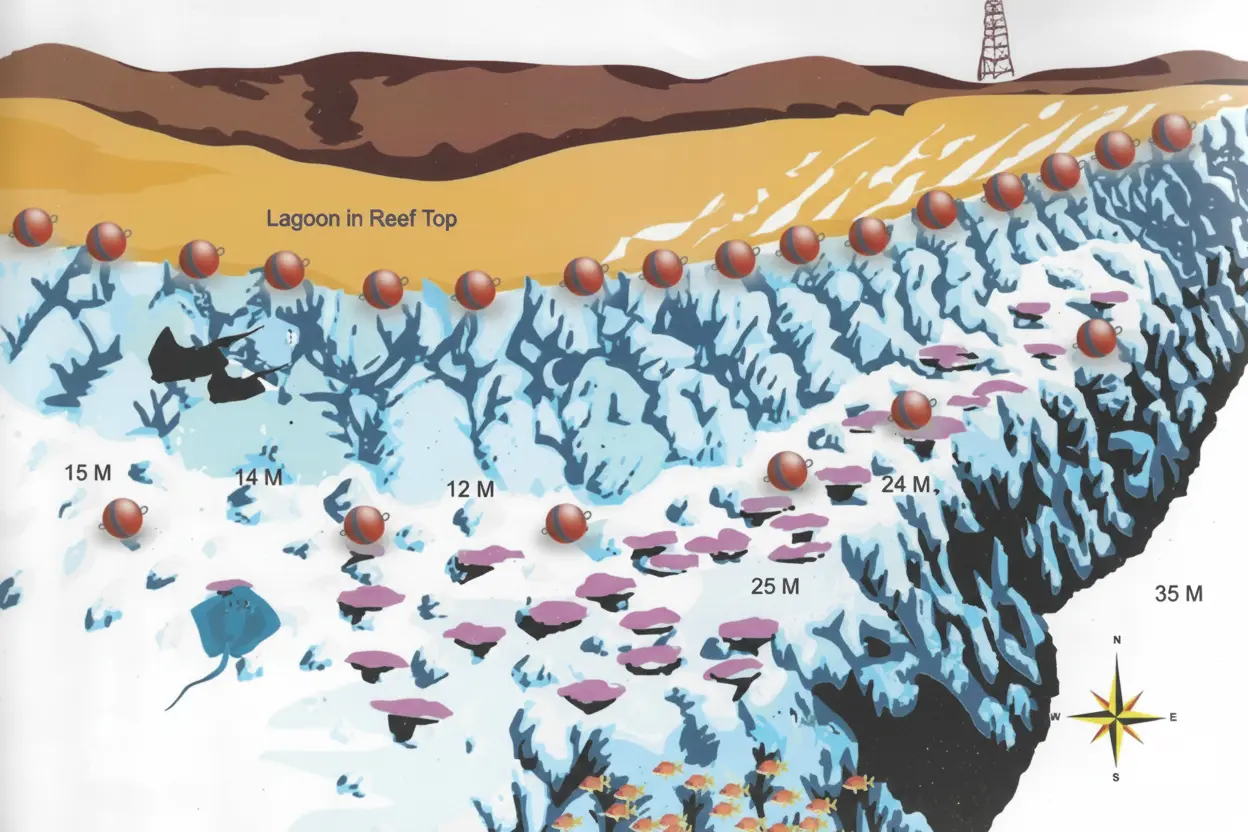
Reef from 0–12 m in the very shallow lagoon and garden, sloping to around 20–25 m with a drop‑off beyond 35 m
very good for training and beginner dives in the shallow garden, with deeper wall and plateau sections
At the “head” of the Abu Soma peninsula at the northern end of Safaga Bay
Around 22–24 °C in winter, 23–25 °C in spring, 27–29 °C in summer, 26–28 °C in autumn
Approx. 15–20 minutes from Soma Bay by boat, sea‑state dependent