Daily Diving
Diving in Soma Bay: Your Complete Red Sea Guide
If you want warm, clear water, easy reefs for your first breaths underwater and dramatic walls for logged divers, diving
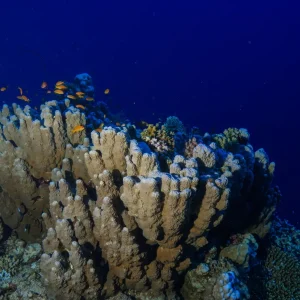
Diving Safaga & Soma Bay stands out as a premier Red Sea destination that we at Extra Fun Diving celebrate with every dive. We proudly guide guests to this unique coast, where the underwater world rewards both beginners and seasoned divers.
Safaga and Soma Bay are the third most popular Egyptian dive areas after Hurghada and Sharm el Sheikh. This ranking reflects the consistent value they deliver to visitors who seek variety, reliability, and underwater beauty.
Why it matters for your trip: the mix of easy access, diverse habitats, and memorable wrecks creates a balanced itinerary that suits Diving Safaga & Soma Bay as a year round destination.
| Feature | Benefit |
|---|---|
| Reefs | Colorful gardens for macro and wide-angle photography |
| Wrecks | Historical intrigue with abundant marine life |
| Depth range | Shallow sites for beginners; deeper walls for experienced divers |
| Visibility | Consistently good conditions for confident navigation |
Join us to experience the Diving Safaga & Soma Bay ecosystem firsthand. Our daily trips, patient guides, and selection of sites ensure you get the most from every dive—safely and joyfully.
Core gear for Safaga & Soma Bay dives is built around reliable, regionally available equipment. In this Red Sea corridor, local dive shops and centers commonly provide and support key items that keep dives safe and comfortable.
Below is the core equipment divers rely on for Safaga and Soma Bay, along with quick notes on why each piece matters in these waters.
Practical tips for gear planning in Safaga & Soma Bay:
| Gear | Role in Safaga & Soma Bay | Tips |
|---|---|---|
| Dive Computer | Tracks depth, time, and ascent to optimize safety on reef walls and drift dives | Learn to read dive data quickly during briefings |
| Regulator | Air delivery at depth; essential for comfort and safety | Have it serviced before travel if possible |
| Buoyancy Compensator | Provides neutral buoyancy for precise positioning near coral | Practice proper weighting for effortless rises and glides |
| 5mm Wetsuit | Thermal protection across seasons; suits most Red Sea conditions | Add a hood or gloves in cooler months if needed |
| Gas Fills | Air for standard dives; Nitrox for extended bottom time on reefs | Coordinate with your dive center about available blends and certifications |
Equipped with these core items, divers can focus on the experience of diving Safaga and Soma Bay—whether exploring shallow coral gardens, wandering along dramatic walls, or peeking into wreck sites. Your gear setup supports comfort, safety, and the joy of the Red Sea undersea world.
Note: Always consult a dive professional about current site conditions and gear recommendations before diving in Safaga & Soma Bay.
Dive Computer is the cockpit of your dive. It tracks depth, time, and ascent to keep you within safe limits. In Ras Soma’s gear landscape, a reliable computer complements your depth gauge and timer, providing real-time guidance as you explore reef walls, drift sites, and wrecks.
Key functions and how they help you stay safe:
What to look for when choosing or using a Dive Computer:
Practical tips for Safaga & Soma Bay:
| Feature | Role | Why it matters in Safaga & Soma Bay |
|---|---|---|
| Depth display | Real-time depth reading | Helps manage bottom time on walls and wrecks with varying depths |
| Bottom time / NDL | Guides safe ascent planning | Prevents decompression risk on longer reef dives or multiple sites |
| Ascent rate alarm | Monitors ascent speed | Reduces risk when surfacing from drift dives or wall entries |
| Decompression limits | Displays required stops | Critical for deeper wrecks or mixed-gas planning in warm water |
| Safety stop timer | Countdown for controlled ascent | Supports reef protection and minimizes buoyancy shocks |
With a dependable Dive Computer, you can focus on the moment—watching coral gardens gleam, sharks glide by, and wrecks reveal their stories—while your gear quietly protects your safety in the Red Sea’s dynamic conditions.
Note: Always verify current site conditions and your computer’s settings with a dive professional before diving Safaga & Soma Bay.
Regulator is the heart of your breathing system underwater. It delivers breathable gas from the tank at the ambient pressure you experience as you descend and drift along reef and wreck sites.
In Safaga and Soma Bay, dive centers emphasize a reliable regulator setup to keep air smooth, comfortable, and safe across shallow gardens and deeper walls.
Practical tips for regulators in Safaga & Soma Bay:
| Component | Role | Why it matters here |
|---|---|---|
| First stage | Reduces tank pressure and distributes gas to other stages | Stable air supply across depth changes and varying water temperatures |
| Second stage | Delivers breathable air on demand | Essential for comfortable, natural breathing during reef and drift dives |
| Octopus | Backup regulator for buddy safety | Provides a contingency in case of regulator failure |
| Regulator hoses | Connect components and route air to the mouthpiece | Ergonomic layout reduces jaw fatigue while you focus on macro life or big pelagics |
With a dependable regulator, divers in the Red Sea can breathe smoothly while exploring Safaga and Soma Bay’s coral gardens, walls, and wrecks. Your center support helps ensure a worry-free underwater experience.
Note: Always verify regulator condition with a dive professional before each dive and follow center guidance on maintenance and usage for Safaga & Soma Bay.
Buoyancy Compensators are the core of precise underwater control. In Safaga and Soma Bay, a well adjusted BC helps you hover midwater, approach coral gardens without contact, and glide along dramatic walls with minimal effort.
With a proper BC, divers can:
Key considerations for Safaga & Soma Bay:
Practical tips for using your BC in this region:
| Aspect | Benefit in Safaga & Soma Bay |
|---|---|
| Neutral buoyancy | Reduces contact with delicate corals and sponges |
| Trim control | Improves efficiency and reduces drag in drift dives |
| Descent and ascent | Safer, smoother vertical movement near walls and wrecks |
| Equipment integration | Supports other gear like cameras and lights without instability |
Remember, the right BC setup enhances safety, comfort, and enjoyment. Always consult your dive professional about optimal weighting and buoyancy practice for Diving Safaga & Soma Bay dives.
Note: Ensure your BC is serviced and in good condition before travel, and verify its behavior under your planned dive profiles with a qualified instructor or guide.
5mm Wetsuit is the go to thermal layer for most Safaga and Soma Bay dives. This thickness provides comfortable protection against the Red Sea’s cool spells while staying flexible for easy movement.
Why a 5mm works well here:
Temperature context and practical tips:
Practical setup: If you expect variable conditions, a 5mm with a beanie or lightweight hood can cover a wide range without adding too much bulk.
| Month or Condition | Recommendation |
|---|---|
| February / Cooler water | 5mm wetsuit strongly recommended for comfort |
| Warm months | 5mm acceptable; adjust with additional layers if needed |
| Strong currents or reef edge swims | 5mm adds warmth and abrasion protection |
Bottom line: a 5mm wetsuit keeps you comfortable across Safaga and Soma Bay’s divers with varying water temperatures, making every dive more enjoyable and focused on the reef, walls, or wrecks rather than the chill.
Gas Fills (Air & Nitrox) are the backbone of air supply on Safaga and Soma Bay dives. Local centers typically offer reliable fills for standard air and a range of Nitrox mixes to suit your training and dive plan.
Common options you’ll encounter:
Why Nitrox can be advantageous in warm Red Sea waters:
Important considerations for Safaga & Soma Bay:
Practical tips:
Safety note: Always have a briefing from a qualified instructor or divemaster about the gas you are breathing, your depth limits, and the planned dive profile for Safaga & Soma Bay sites.
| Gas | Typical Use | Benefits |
|---|---|---|
| Air | General dives, beginners, most wrecks and reefs | Reliability, universal availability, low risk for uncertified divers |
| Nitrox 28-32% | Longer bottom times on shallow to mid depth dives | Reduced nitrogen uptake, potential for more dives per day |
Equipped with the right gas fills and proper planning, divers can maximize the beauty of Diving Safaga & Soma Bay while maintaining safety and comfort in the Red Sea waters.
Note: Always verify gas mix, depth limits, and center procedures before each dive with a qualified professional for Safaga & Soma Bay.
Dive Services & Training Partners in Soma Bay builds a solid education and certification ecosystem that supports divers from first breaths to instructor levels.
In Soma Bay, you’ll find active footprints from major agencies and a network of centers that share a commitment to safety, learning, and underwater exploration.
Diving education in Soma Bay is anchored by two global programs that most divers already know well:
Across Soma Bay, dive shops align with both agencies to offer practical skills on site and online theory for flexible schedules.
Whether you are new to diving or pursuing professional ranks, Soma Bay centers typically offer structured programs across both agencies:
You can progress from beginner to professional levels with programs that combine theory, pool work, and guided open-water dives.
Digital resources streamline certification, logging, and planning. The two standout tools you’ll encounter are:
Both tools sync with your training history and let you access materials on the go, wherever you are.
Expect centers in Soma Bay to embrace SSI’s ecosystem with:
The framework supports program years and keeps track of progress for students across courses.
| Aspect | PADI | SSI |
|---|---|---|
| Core offering | Open Water to Instructor level | Open Water to Instructor level |
| Digital tools | Varies by center, eLearning options available | MySSI app, Center Locator, digital logbook |
| Certification cards | Digital and physical cards via PADI | Digital certification through SSI platform |
| Booking and scheduling | Center based, online options often available | SSI course and event calendars via Center Locator |
Practical tip: If you plan to dive frequently or pursue multiple specialties, consult with your Soma Bay center about which agency best fits your goals. Take advantage of the digital tools for quick access to materials and records.
Structured learning paths help you progress safely and confidently from first dives to more advanced explorations.
Digital tools reduce paperwork and make certification badges portable and easy to share with guides and centers worldwide.
A balanced mix of PADI and SSI options provides flexibility in scheduling, pricing, and available specialties at local centers.
Note: Always verify the current agency offerings and the specific center’s accreditations before enrolling. Local centers in Soma Bay tailor their programs to regional dive sites and conditions, ensuring relevance to your Red Sea diving goals.
PADI is a 5-star dive operation within the Soma Bay scene. Here, PADI centers provide thorough training, well-organized courses, and a reliable framework for daily diving trips that align with Extra Fun Diving’s itineraries.
How PADI integrates with Extra Fun Diving’s offerings:
Benefits for divers using Extra Fun Diving alongside PADI centers:
Note: As you plan in Soma Bay, always confirm with your center about current PADI offerings, instructor availability, and how daily trips align with your certification goals and site conditions.
SSI ecosystem highlights connect youth programs, electronic certification tools, and a global training network to support divers from the first splash to professional ranks.
These tools work together to streamline learning, logging, and certification maintenance, making it easier to plan dives and track progress across sites worldwide.
SSI centers in Soma Bay typically align with this ecosystem, offering beginner through advanced courses and leveraging electronic tools to enhance the learning experience.
Dive Services & Platforms in the Region bring planning, booking, and learning together for Soma Bay divers. The region blends global platforms with locally trusted centers to streamline every dive trip.
Key digital tools around Soma Bay include:
Why these tools matter for Soma Bay divers:
Planning flow you can expect:
Practical tip: Before arrival, verify which centers in Soma Bay accept the digital credentials from MySSI and how Scubago listings align with your preferred dive sites and days.
| Tool | What it Does | Why It Helps in Soma Bay |
|---|---|---|
| MySSI app | Digital certifications, logbook, learning resources | Portable records across Soma Bay centers; streamline check-ins |
| SSI Center Locator | Find centers, courses, events, and travel options | Efficient planning for multi-site dives along the coast |
| Scubago | Global booking platform for dives and centers | Compare, book, and optimize a Soma Bay dive itinerary with confidence |
Safety note: Always confirm booking details and center procedures directly with your chosen Soma Bay dive operator, and ensure your digital credentials are recognized for the planned activities.
MySSI is the free, digital hub for SSI divers. In Soma Bay, it becomes a central tool for certification, progress tracking, and learning anytime, anywhere.
Digital certification cards provide portable proof of training. You can access your current cards on a phone or tablet and present them to any SSI center along the coast.
Digital logbook records each dive, course, and qualification. Built to travel with you, it helps you plan future dives around training milestones and site access in Soma Bay.
Learning materials include manuals, theory resources, and course checklists. These are handy before a course start or as a quick refresher between reef, wall, and wreck dives.
Offline access means you can study and review materials even when connectivity is limited on boats or in shaded areas along Soma Bay.
How it helps during a Soma Bay trip:
Practical tip: Before travel, sync your MySSI account, verify your current certifications, and ensure you can access your logbook offline for uninterrupted planning in Soma Bay.
| Feature | Benefit for Soma Bay divers |
|---|---|
| Digital certifications | Portable proof of training for quick check-ins |
| Logbook | Central record of dives and courses for planning |
| Learning materials | On-demand theory and checklists to prepare for sessions |
| Offline access | Study and reference without relying on internet |
Note: Always confirm that your center accepts digital credentials and verify any updates to your training plan with a supervising instructor in Soma Bay.
SSI Center Locator helps you locate nearby training centers for upcoming underwater adventures along Soma Bay and the broader Red Sea coastline.
| Feature | What you see | Why it helps in Soma Bay |
|---|---|---|
| Center profiles | Course offerings, schedules, contact info | Compare options close to Soma Bay for convenient planning |
| Upcoming courses | Dates and availability across centers | Plan dives around your stay and avoid gaps between sessions |
| Agency alignment | SSI programs and compatibility with MySSI | Ensure digital credentials sync smoothly for reef and wreck adventures |
| Booking links | Direct contact or booking options | Streamlined enrollment for rapid preparation before dives |
Practical tip: use the Locator to map a sequence of centers that match your Diving Soma Bay goals, then verify with each center about Nitrox options, gear needs, and on-site safety practices.
Practical tip: verify nitrox availability, gear checks, and on-site safety procedures with each center before you commit.
Getting there
Safaga and Soma Bay are best reached from Hurghada International Airport. A quick transfer puts you on the coast in about 45 minutes to an hour depending on traffic and where you stay.
Where to stay
Choose a base near Soma Bay or Safaga with easy access to boat departures and shore dives. Look for centers that offer included transfers, gear check, and dive briefings as part of their service.
Local centers and reputable options
Safaga and Soma Bay host a mix of established centers and instructor teams. When selecting a local center, consider:
Practical planning tips
Documentation and essentials
Communication and language
English is widely used in dive centers along Safaga and Soma Bay. It helps to know basic phrases or have a translation app handy for non dive related queries with hotel staff or transport providers.
Accessibility and mobility
If you have accessibility needs, contact your center in advance to reserve appropriate gear or shore entry options. Ask about shaded waiting areas, boat shade, and how gear transfers are managed between hotel and dive sites.
| Arrival | Fly into Hurghada International Airport; arrange a transfer to Safaga or Soma Bay | Minimizes delay and ensures smooth entry to your dive plan |
| Transfers | Pre book airport pickup or ask your center about transfers | Reduces stress and guarantees space for gear and bags |
| Center selection | Choose centers with clear briefing, gear checks, and dive site access | Consistency in safety and dive quality across days |
| Documentation | Bring up-to-date certifications and travel insurance | Smooth check in and risk management on site |
Getting there and choosing local centers with care sets the stage for safe, enjoyable diving in Safaga and Soma Bay. Plan ahead, confirm details, and you’ll unlock the Red Sea’s best reef and wall experiences with confidence.
Hurghada International Airport (HRG) is the main gateway for most visitors heading to Safaga and Soma Bay.
From HRG to the dive areas, expect roughly a 45 minute drive north, depending on traffic and your exact destination along the coast.
Practical tips:
Arriving via HRG helps set up a smooth transition into Safaga and Soma Bay’s world of reef gardens, walls, and wrecks, with predictable travel times aiding your dive plan from day one.
Club Ras Soma Diving Center is a key part of the Soma Bay dive ecosystem, contributing to the region’s training, dive operations, and gear support.
Location and setting
Training and education
Diving services and platforms
Gear and accessibility
In the Soma Bay dive network, the center contributes to safety, education, and access to a diverse range of underwater environments, helping divers progress confidently through their Red Sea adventures.
Get fresh exclusive updates and scuba diving offers direct into your inbox (No spam we promise!)
If you want warm, clear water, easy reefs for your first breaths underwater and dramatic walls for logged divers, diving
Scuba Diving in Hurghada Are you ready to embark on an underwater adventure like no other? Hurghada, Red Sea, Egypt
top 10 Red Sea dive sites Red Sea dive sites are one of the most enchanting diving destinations in the