Daily Diving
Diving in Soma Bay: Your Complete Red Sea Guide
If you want warm, clear water, easy reefs for your first breaths underwater and dramatic walls for logged divers, diving
We at Extra Fun Diving are proud to present Diving Safaga & Soma Bay as premier year‑round dive destinations in Egypt. Nestled along the Red Sea, Safaga and Soma Bay sit just after Hurghada and Sharm el Sheikh in the region’s dive reputation, offering reliable conditions and a spectrum of sites for every level of diver.
Our calendar is built around a climate that delivers warm winters and hot summers, with water temperatures that shift but remain dive friendly throughout the year. Expect the warmest waters in August, while February can feel cooler, often calling for a light 5 mm wetsuit to stay comfortable. Visibility stays consistently strong, typically around 70 feet (22 meters) across the season.
Why this matters for your dive trips is simple: Diving Safaga & Soma Bay pairs easy access with memorable scenarios, whether you want relaxed morning reef dives or more challenging drift and wall dives by afternoon. Our team designs trips that maximize underwater time while keeping safety and enjoyment at the forefront.
| Feature | Safaga | Soma Bay |
|---|---|---|
| Best for | Shallow gardens, wrecks, and occasional pelagics | Sheltered shore dives, premium on-site facilities |
| Water temperature range | Winter mild, summer hot with 28–30°C typical | Warm year round, generally comfortable for all gear |
| Visibility | Typically 22 m (70 ft) or more | Strong and stable visibility common |
| Access | Proximity to Hurghada International Airport | Integrated resort style, easy transfers from Hurghada |
Ready to plan your trip? At Extra Fun Diving, we tailor our dives around the best times to see underwater life, including reef fish, sharks, and occasional hammerheads. We offer daily diving trips, guided wreck explorations, and a full suite of PADI courses to fit every level. Let us help you experience Diving Safaga & Soma Bay at its finest.
Safaga offers a mix of comfort and adventure for divers of all levels. Expect shallow, sheltered dives that are ideal for beginners and for warm, relaxed surface intervals.
Beyond the calm bays, reef-wall drop-offs provide epic contrast. These walls plunge into the deeper Red Sea, inviting drift lines, vertical ridges, and a sense of scale that seasoned divers crave.
Iconic wrecks add measurable intrigue to Safaga’s underwater map. Each wreck carries its own story and structure for exploration, from accessible reef tops to deeper, more technical lines.
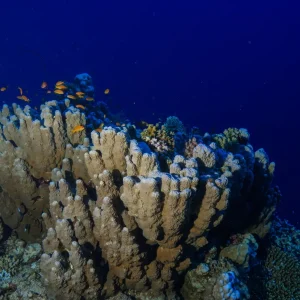
The marine scene is vibrant and busy. You’ll encounter a tapestry of reef fish, colorful corals, sponges, and macro life that thrives in sheltered zones and along the drop-offs.
Safaga sits within a protected marine area, which helps preserve visibility and biodiversity. Mooring buoys are placed on the main dive sites to reduce contact with the seabed and keep lines of travel tidy for divers and boats alike.
Soma Bay sits on a long sandy peninsula at the northern edge of Safaga Bay, shaping a sheltered, family-friendly coastal environment. The area is known for pristine beaches, calm coves, and easy access to clear waters that invite relaxed shore diving and straightforward boat trips.
Coral reefs fringe the shoreline, delivering vibrant color and steady macro and reef life just a short swim from shore. For divers who prefer boat access, the bay features a range of dive sites that are often less crowded and suited to smooth midday drift or gentle wall explorations.
Luxury and comfort go hand in hand here. Soma Bay hosts high-end resorts, expansive spa facilities, and resort amenities that appeal to non-diving partners who want to enjoy the scenery, spa days, or family activities while divers explore below the surface.
Access to excellent shore and boat diving makes Soma Bay suitable for a wide range of travelers. It’s easy for families and groups with non-divers to split their days between shallow reef snorkeling, beach time, and guided boat dives that accommodate different experience levels.
Hurghada International Airport (HRG) is the main gateway for travelers heading to Safaga and Soma Bay. Most visitors fly into HRG and start their Red Sea adventure with a short, seamless onward transfer.
The drive to Safaga and Soma Bay typically takes about 45 minutes depending on traffic and your resort location. The route is straightforward and scenery-friendly, making the journey part of the holiday experience rather than a hassle.
Once you land, you’ll find a range of transfer options to reach your dive base quickly and comfortably:
For smooth onward movement, keep your hotel or dive center’s contact details handy and confirm pickup points in advance. Whether you’re chasing reef mornings or afternoon drift dives, the HRG arrival point sets you up for efficient access to the Safaga & Soma Bay dive calendar.
Discover the must visit wrecks and marine moments. They define diving Safaga and Soma Bay in 2026. Wreck sites here weave history with dramatic underwater topography, offering something unforgettable for every diver.
Beyond the wrecks, expect vibrant marine life that often makes wreck dives shine even more. Common sightings include:
Tips for the best experience in 2026:
Water temperature follows a warm to hot pattern with a clear peak in late summer. The warmest month is August, when water averages about 28°C or 82°F.
In cooler periods, notably February, a 5 mm wetsuit is typically comfortable for most divers. Surface intervals can feel cooler, but the water itself remains diveable with the right protection.
Visibility remains consistently strong year round. Expect around 22 meters of visibility on most days, giving you clear lines to observe reef life and underwater topography.
What to pack based on these conditions:
Overall, plan for year-round diving with a flexible wetsuit kit. In August, you may only need a light suit or no suit for short durations. In February, a 5 mm wetsuit is typically best to stay warm and comfortable throughout the dive.
Seasonal Dive Conditions for 2026
Safaga and Soma Bay deliver year round action for divers. The region enjoys warm winters and hot summers, with water temperatures shifting but staying comfortable enough for a full range of dives. Visibility remains fairly constant across the seasons, making planning simpler for 2026.
Use this seasonal snapshot to line up your plans and avoid crowding while still hitting prime sites.
Planning tips for 2026
Whether you’re chasing vibrant reef life, dramatic drop offs, or wreck explorations, Diving Safaga & Soma Bay in 2026 offers reliable conditions and consistent visibility. Plan around the season that best fits your schedule and dive preferences, and you’ll maximize underwater time and enjoyment.
Preserving the underwater world is a core priority in Safaga and Soma Bay. The area operates as a protected marine area, with regulations designed to safeguard reef health, biodiversity, and the overall dive experience for years to come.
Key conservation practices you can expect include environmentally friendly procedures across dive centers. This means careful anchoring, responsible waste management, and minimal contact with fragile corals and macro life to reduce impact on delicate ecosystems.
Always dive with professionals who are familiar with current site conditions and safe diving practices as outlined by PADI standards. A qualified guide can tailor dives to your experience, monitor depth and air, and manage currents to maximize safety and enjoyment.
Bottom line: respect for the environment, adherence to local rules, and partnering with knowledgeable operators are the best ways to safeguard these remarkable Red Sea dives for today and tomorrow.
Safaga and Soma Bay sit at the heart of a vibrant Egypt dive network. Local operators aligned with PADI help ensure consistency in training, safety, and environmental responsibility while delivering immersive Red Sea experiences.
Key roles these providers play include:
When planning dives in Soma Bay and Safaga, look for centers that:
Beyond individual centers, the broader Egypt dive scene includes national and international organizations that coordinate training standards, rescue protocols, and site protection. These bodies help ensure that trips to Safaga, Soma Bay, and Hurghada remain safe, enjoyable, and ecologically responsible for years to come.
Top considerations for divers seeking a responsible experience in this region include selecting a dive shop with formal PADI alignment, verifying instructor qualifications, and asking about local reef protection practices. A well chosen operator can tailor your itinerary to match your skill level while emphasizing safety, learning, and respect for the underwater environment.
In short, a connected, PADI-aligned network of local dive providers in Soma Bay and Safaga supports consistent training, dependable safety, and sustainable diving experiences that honor the Red Sea’s extraordinary underwater world.
Get fresh exclusive updates and scuba diving offers direct into your inbox (No spam we promise!)
If you want warm, clear water, easy reefs for your first breaths underwater and dramatic walls for logged divers, diving
Scuba Diving in Hurghada Are you ready to embark on an underwater adventure like no other? Hurghada, Red Sea, Egypt

top 10 Red Sea dive sites Red Sea dive sites are one of the most enchanting diving destinations in the