
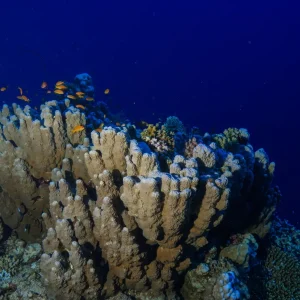
Daily Diving
Diving in Soma Bay: Top 3 Dives
Diving in Soma Bay is an exceptional diving experience! Soma Bay is known for its crystal-clear waters and stunning underwater topography. For
Explore the landmarks that define diving in Soma Bay and Safaga. These sites offer a mix of drift runs, tranquil reefs, and wrecks, with abundant marine life and approachable depths for varied experience levels.
| Site | Typical Depth | Current | Notable Inhabitants / Features |
|---|---|---|---|
| Panorama Reef | Near 30 m on the plateau; shallower areas at the edges | Possible drift with north current | Napoleon wrasse, hawksbill turtle, large schools of butterflyfish |
| Middle Reef | Drift from north to southeast; 6 m shallow end, deeper sections nearby | Drift-friendly, variable | Vibrant coral gardens, dramatic hard corals, cave-like overhangs at 6 m |
| Ras Abu Soma | Starts near the surface, drops to 40 m in places | Can be drift or wall style depending on current | Giant morays, harlequin shrimp associations, redtooth triggerfish shoals |
| Breakers House Reefs North | Shallow to mid depth, typically 5–15 m | Often current from North to South | Porites gardens, raspberry coral, graceful goby and pistol shrimp pair, possible turtles |
| Breakers House Reefs South | Shallow to mid depth, typically 5–15 m | Current may vary, often mild | Melithaea rubrinodis coral clusters, juvenile reef fish, occasional larger visitors like turtles |
Panorama Reef stands out as one of the region’s most famous reefs. It can get busy due to liveaboard traffic, but its length and depth invite expansive exploration. Look for the crevice at the east edge of a deep plateau and watch for the Napoleon wrasse and a resting hawksbill turtle.
Middle Reef delivers a wild drift experience. Start high on the northern side and drift toward the southeast. The drop off around 27 m is a great launch point to glimpse the wall’s complexity, while the 12 m ascent over the main coral garden is pure reef bliss.
Ras Abu Soma marks the northern promontory of Soma Bay. It features a sandy bottom dotted with coral clumps and a path toward a venomous buried cone shell. Expect visibility to reveal giant morays and small reef residents like juvenile hogfish and orange-headed wrasse.
Breakers Jetties offer convenient shore diving right from Soma Bay. The Breakers North jetty hosts a lush hard coral garden with a likelihood of current running North to South. The Breakers South is equally rewarding, with shallow reefs, clumps of spiky white Melithaea coral, and a thriving community of small reef fish. Night dives here reveal feather stars and the graceful reef nightlife.
Tips to maximize your experience:
Ras Abu Soma sits at the northern promontory of Soma Bay. It offers a boat-based drift experience with steady marine action.
Most dives here start from a boat, either on a Zodiac from Soma Bay or as part of a half or full day trip. The dive is short and efficient, often just a 10 minute ride from the jetty before you enter the reef and swim back along the coast.
Expect a lively start as you descend into a shoal of Redtooth Triggerfish. These reef residents flash bright blue tails and form eye-catching swarms that keep you on your toes as you explore the slope and sand.
Giant morays also feature prominently, often peeking from their crevices and adding a dramatic presence to the wall and rubble patches. Look for the shy cleaners and small wrasse that accompany them along the reef line.
On the sandy bottom you may encounter a venomous buried cone shell. They lie camouflaged in the sand, offering a memorable reminder to watch your fin tips and follow your guide’s instructions when examining the seabed.
Overall, Ras Abu Soma blends a relaxed drift with surprising critter encounters, making it a solid choice for a focused, efficient Red Sea morning dive.
Breaker’s House Reef North is a classic shore dive from the Breakers Hotel jetty. It offers a shallow, accessible playground for both new and seasoned divers who want an easy entry right from the shore.
Expect the water to host a gentle to moderate current that often runs from North to South. Use the current to your advantage by starting over the reef and swimming with it before turning to explore the garden on the way back.
The reef top bursts with blue, green, and brown hard corals. It forms a lush garden that provides shelter for a busy cast of reef inhabitants. Keep your eyes peeled for the Graceful Goby, a small maestro of the sands who partners with a shrimp to defend its lookout hole.
Spotting tips:
This site also serves as a fantastic option for night dives, when feather stars unfold and the reef reveals a different, equally captivating nightlife.
Tobia Kebir lies within the Tobia area and is the largest of the Tobia sites. It features a long reef running north to south with several ergs that create a varied, multi‑level landscape for drift diving.
Most dives drift along the main reef, riding the current through channels that connect the ergs. The move is fluid and allows you to weave through coral heads and sandy patches while keeping the reef on your side.
Top encounters here include:
For divers seeking scenery and a relaxed drift, Tobia Kebir offers a classic mix of coral gardens, open water, and wildlife encounters, all within a manageable depth range and comfortable current conditions.
Tobia Soraya comprises two small reefs running parallel north to south, each flanked by ergs that create a compact, multi‑level drift environment.
Geared toward outer-reef life, this site offers easy access to open water and plenty of coral structures to explore. Expect an abundance of small reef inhabitants and vivid color as the sun lights up the edges of the ergs.
Key sightings often include:
Currents can be present, typically coming from the north. Plan your dive to drift with the flow and make a comfortable return to the boat or shore.
Tobia Arba’a sits in the Tobia area as a classic multi‑level drift along seven closely spaced pillars. The site blends shallow inner channels with deeper sections, creating a varied swim that rewards careful navigation.
The entry typically starts over the reef and then threads between the ergs, with currents that help you glide from pillar to pillar. Between the ergs you’ll find shallow patches of seagrass where light filters through, adding a different texture to the dive.
Look for active life along the edge of the pillars and in the seagrass beds. You may encounter:
Tips for Tobia Arba'a:
Gamul Soraya is a compact, multi‑erg reef area that sits within the Tobia/Soma Bay zone. It is smaller than some of the neighboring sites but still delivers a rich, action packed dive.
The site clusters several ergs close together, creating a playful rinse of drift opportunities and anchor points. Expect vibrant coral life on the edges, with lively schools of small reef fish weaving through the structures.
Macroe life can be prolific near the seagrass patches that fringe the ergs. Look for tucked away residents such as seamoths and other cryptic critters, especially during quieter currents or at dawn and dusk.
Top encounters you might draw on include:
Tips for Gamul Soraya:
Gamul Kebir is a pretty reef within the Tobia/Soma Bay area, notable for the soft corals that line its north plateau. The scenery blends vibrant colors with a gentle ridge and shallow channels, making it a visually rewarding dive.
The site offers drift potential when currents align from north to south, allowing a relaxed swim along the reef while you stay immersed in the coral gardens.
On the reef you can expect a mix of life, including:
Tips for Gamul Kebir:
Panorama Reef is one of the region’s best-known reefs. Its appeal comes from its length, biodiversity, and easy access for divers of all levels.
The reef extends for about nearly 1 km, making it ideal for exploratory drift dives and ample exploration. Liveaboards from Hurghada often include Panorama on itineraries to start multi‑day Red Sea trips.
Look out for remarkable inhabitants and features, including:
Diving tip: begin on the south or east edge where currents funnel, then drift along the plateau into the shallower zones to maximize coral gardens and encounter chances.
Middle Reef is a spirited drift dive designed for confident drift enthusiasts. Start on the north side and let the current carry you toward the southeast, keeping the reef on your right as you go.
The wall and plateau unfold as you drift, with a standout feature being a dramatic drop-off around 27 m that invites a quick, thrilling descent and a peek at deeper life beyond the reef edge.
Midway, ascend gently to about 12 m and glide over the expansive coral garden. The colors brighten as you rise, offering a lush backdrop of hard corals and soft textures.
Inside the reef lies a shallow inner cave where natural light filters through, creating a magical moment of illumination as you explore openings and shadowed nooks.
Abu Kafan offers a good dive with a lovely wall. The north plateau hosts soft corals that create a colorful, textured skyline as you swim along the reef edge.
The walls are steep and dramatic, delivering exciting vertical scenery and the chance for drift dives when currents cooperate. Currents usually favor a controlled drift, letting you glide along the wall and spot life in the crevices below.
Tips for Abu Kafan:
Salem Express wreck lies near Safaga’s port and remains one of the most discussed wrecks in the Red Sea. Its history casts a long shadow over diving here, making it a site of both remembrance and strong interest for many divers.
The wreck marks a poignant chapter in regional maritime history. While associated with tragedy, it continues to attract divers who are drawn to the story as much as to the underwater environment that has gradually claimed the site as an artificial reef.
Expect a surface and underwater experience shaped by controversy. Ethical considerations, local regulations, and the memorial value are part of the decision to dive it. Guides typically emphasize respectful buoyancy and careful penetration practices where permitted.
Hurghada Airport as a Dive Access Point
Most Safaga and Soma Bay dives are reached via Hurghada International Airport. It’s the practical gateway for quick water access and streamlined transfer to dive boats and shore dives along the coast.
Planning matters when you land:
On arrival and departure you might see:
Practical tips to smooth the process:
With smart planning, Hurghada Airport becomes a reliable launchpad for a smooth Safaga and Soma Bay dive itinerary, letting you make the most of underwater time without overwhelming travel hassles.
Breakers Jetty and Breakers Hotel serve as the primary access point for Breakers House Reef North and a range of shore dives along Soma Bay’s Breakers coastline.
Dives typically begin from Breakers Hotel jetty, with shore entries over a gentle reef top and a current that often runs from North to South.
Transport to the jetty and kit handling are commonly organized through local dive crews such as Orca Dive Club, who run shuttles and buggy transfers to the jetty end and back when you’re ready.
Shore dive highlights include:
Night dives here reveal a different nocturnal life, with feather stars unfurling and the reef nightlife waking up. Expect graceful reef fauna and shy critters to appear under torchlight.
Soma Bay Dive Culture positions Soma Bay as a five star diving destination with reliable year round diving. The area offers a balanced mix of shore and boat dives, all set within a sheltered, purpose built resort environment that caters to divers and non divers alike.
Shore diving is accessible from the Breakers jetty and Breakers Hotel, where easy entries lead to vibrant reef tops and gardens. Typical conditions include a gentle to moderate current and pristine Porites and raspberry coral gardens, with opportunities to encounter graceful gobies, pistol shrimps, turtles or reef sharks depending on the day.
Boat dives span famous reefs and dramatic walls. Highlights include classic drift sites and expansive reef systems that reward both confident drift divers and photographers alike. Expect drift experiences, long reef sections, and thriving coral gardens teeming with reef fish.
Year round diving means reliable underwater action across seasons. In winter months a thicker wetsuit or a hood is advised, but the underwater world remains vibrant and accessible for all levels.
Nearby Safaga offers a different flavor just to the south. Safaga presents a diverse mix of beginner friendly coral gardens sheltered within the bay, making it ideal for introductory dives and comfortable depth experiences close to shore.
Venturing a little farther into Safaga reveals deeper, more challenging dives near the port. These include reef walls and offshore sites where larger pelagic life and more pronounced topography can be encountered, appealing to experienced divers seeking depth and drama.
In practice, a single Red Sea itinerary often threads together the calm clarity of Soma Bay’s shore dives with the broader reef systems and accessible wrecks reachable from Safaga, delivering a comprehensive picture of the region’s underwater culture.
Practical takeaway – if you want a luxurious, all around dive destination with easy access and year round diving, Soma Bay fits the bill. If your priorities tilt toward a spectrum that includes gentler beginner gardens and more advanced, deeper wreck experiences near the port, Safaga provides that contrast in a compact, equally compelling package.
Site variety and depth make a big difference when planning your Red Sea dive trip. If you want a broad mix of drift dives, wall encounters, macro life, and famous reefs, Diving Safaga & Soma Bay offers strong options with different flavors in a compact area.
For a varied itinerary, target Soma Bay for shore dives from Breakers and steady year round conditions, plus long reef systems like Panorama and Middle Reef for drift experiences. If you want a denser concentration of wrecks, walls, and a broader mix of beginner to advanced sites within proximity to Safaga, that hub complements Soma Bay well. In short:
Current and depth planning matters. Currents can shift quickly on larger reefs like Panorama and Middle Reef. Plan for drift first and then choose shorter, easier options if currents pick up. Depths range from shallow nurse coral gardens at 5–15 m to dramatic walls around 27–40 m. If you’re newer to drift diving, set a baseline plan with shallower sites and build up to deeper experiences as you gain comfort.
Gear recommendations keep you prepared for year round conditions and site variety:
What to pack for transfers and airport logistics keep everything you need for the first couple of days accessible. Hurghada International Airport serves both Safaga and Soma Bay, so plan transfers with your operator to minimize wait times between arrival, boat launches, and shore dives. Pack a dedicated dive bag to speed through security, and have certification cards, emergency contacts, and a basic medical note handy in your carry-on.
Insurance and safety verify that your policy covers diving activities and any equipment rental. Carry proof of insurance and know your operator’s emergency procedures before the first dive.
Choosing Extra Fun Diving in Soma Bay can add tangible value to your trip, especially for daily trips and courses. Here’s why it can pay off:
Practical planning tips to keep your trip smooth:
Bottom line for planning your dive trip: Soma Bay offers stable, accessible diving with excellent shore options, while Safaga broadens site depth and variety for more experienced divers. Pairing both within a single Red Sea itinerary gives you the best of both worlds. When you add Extra Fun Diving in Soma Bay, you gain reliable daily trips, guided learning, and a streamlined setup that helps you focus on the underwater wonder rather than logistics.
Get fresh exclusive updates and scuba diving offers direct into your inbox (No spam we promise!)
Diving in Soma Bay is an exceptional diving experience! Soma Bay is known for its crystal-clear waters and stunning underwater topography. For
Scuba Diving in Hurghada Are you ready to embark on an underwater adventure like no other? Hurghada, Red Sea, Egypt
top 10 Red Sea dive sites Red Sea dive sites are one of the most enchanting diving destinations in the