Techniques for Drifting, Wreck, and Reef Dives in Safaga and Soma Bay
Diving Safaga and Soma Bay offers a varied mix of currents, wrecks, and vibrant reefs. Guided by PADI standards and local operator best practices, divers learn to read conditions and plan accordingly. The region rewards a calm, deliberate approach with clear communication, graceful entries, and mindful finning to protect the underwater world.
- Drifting Dives – follow current, stay close to the guide, and maintain situational awareness.
- Wreck Dives – approach with caution, respect artifacts, and monitor depth and air consumption closely.
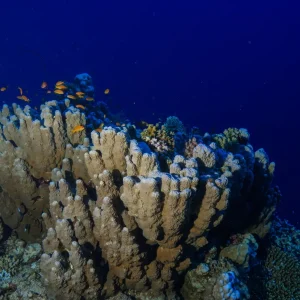
- Reef Dives – savor the color and life while preserving the habitat through buoyancy control and reef ethics.
Across Safaga and Soma Bay, PADI culture emphasizes planning, buddy checks, and quality equipment. Local centers reinforce these habits during pre-dive briefs and on-site dive briefings before every drift, wreck, or reef excursion.
Drifting Dives
- Plan and pace – brief the team on currents, entry and exit points, and maximum depths. Maintain a comfortable pace that minimizes air use and keeps the group together.
- Buoyancy and trimming – fine tune weight, buoyancy, and streamlining to glide with the water column. Small adjustments matter more than speed.
- Communication – use standard signals with your buddy and guide. Agree on a follow distance and a clear safety stop plan if needed.
- Safety stops – respect current changes and plan stops where visibility allows. If conditions shift, be prepared to ascend or regroup under supervision.
- Environmental care – keep fins off the reef, avoid contact with coral, and never chase marine life. Safaga and Soma Bay reefs reward patient observation.
Wreck Dives
Wreck dives require preparation and respect for history. Follow these guidelines to stay safe and preserve the site.
- Site brief – listen to the depth, penetration restrictions, and line or guideline layout. Know the maximum penetration zones and escape routes.
- Line discipline – follow the guide or line markers carefully. Avoid loosening or disturbing lines that could snag gear or cause disorientation.
- Air and depth management – monitor consumption, stay within planned profiles, and respect bottom times. Wrecks can tempt longer air use but risk is real.
- Buoyancy in tight spaces – practice precise buoyancy to avoid stirring sediment or bumping structures. Smooth movements protect both you and the wreck.
- Conservation and artifacts – treat all wreck structures as historical resources. Do not touch artifacts, remove objects, or disturb marine life dwelling in the wreck.
These practices help you manage risk and protect the wreck for future divers.
Reef Dives
Reef dives reward quiet observation and careful technique. Approach with care and steady control to minimize impact.
- Approach with care – enter and exit from gently chosen channels to minimize coral contact and sand clouding.
- Buoyancy mastery – keep a vertical posture, hover silently, and avoid stirring sediment that reduces visibility for others.
- Observation etiquette – enjoy macro life and schooling fish from a respectful distance. Do not harass or feed wildlife.
- Macro and micro life – use a light touch to inspect anemones, sponges, and small critters. A well aimed kick is better than a broad sweep.
- Environmental guidelines – follow local reef ethics, keep a safe distance from delicate corals, and recover any loose gear to prevent abrasion on reef structures.
These practices help you explore without harming the reef while enhancing visibility for others.
Safety and environmental notes to keep in mind for Safaga & Soma Bay:
- Weather and currents – conditions vary by season. Always rely on the on-site briefing and your guide’s judgment.
- Training alignment – trust PADI and SSI style briefings if you are using a center that follows those standards. Your dive plan should match your training level.
- Local ethics – respect protected areas, avoid collecting souvenirs, and practice responsible dive behavior to protect this world class aquatic environment for future divers.
Drifting Dives in Safaga & Soma Bay
Drifting dives along Safaga and Soma Bay reveal the Red Sea at its most graceful. Currents guide you past colorful reefs and dramatic walls, rewarding patient divers with smooth glides and abundant marine life. Guided by PADI standards, these dives emphasize reading conditions, clear communication, and careful buoyancy control to minimize impact on the environment.
Experience details vary with local conditions. Diving is year round, with warm water in most seasons and peak warmth in August. Water temperatures generally remain comfortable for most exposure protection, while visibility typically holds around 22 meters. Always follow the on site briefing and your guide’s instructions for a safe and enjoyable drift.
- Currents – currents can be gentle to strong. Assess flow at a safe point, stay close to your guide, and maintain awareness of your surroundings.
- Entry and exit points – enter from a designated shore or boat access point and plan exits where currents slow or where a buddy can clearly signal a safe finish.
- Buoyancy and trim – precise buoyancy keeps you in the water column and reduces finning effort. Aim to hover mid water, not on the bottom, to preserve visibility for others.
- Communication – use standard signals with your buddy and guide. Agree on follow distance, hand signals, and a stop plan if the current strengthens.
- Safety and etiquette – keep fins off the reef, avoid contact with corals, and do not chase marine life. Maintain close spacing to prevent separation in current zones.
- Plan and brief – review current strength, entry and exit points, maximum depth, and gas consumption. Confirm the dive time and buddy separation strategy with the group.
- Entry technique – use a controlled entry that avoids stirring sand or kicking up silt. Let the current carry you smoothly while you maintain neutral buoyancy.
- During the drift – follow the guide, maintain a steady pace, and monitor air supply. Use the current to your advantage by staying streamlined and relaxed.
- Navigation – use natural markers or a line of sight to stay oriented. If you lose reference points, regroup with the guide at the agreed point.
- Safety stop and ascent – plan a safety stop if depth allows, and ascend together at a controlled pace, ensuring everyone ends the dive safely.
By embracing calm, deliberate drifting techniques, divers can maximize both safety and enjoyment while exploring Safaga and Soma Bay’s reef and wall environments. PADI aligned briefs and competent local guidance help keep drifting dives memorable for the right reasons.
PADI Standards and Safety Practices for Safaga & Soma Bay Dives
PADI standards form the backbone of safety for dives in Safaga and Soma Bay. Following these guidelines helps divers manage the unique Red Sea conditions, including variable currents, visibility shifts, and temperature changes across seasons.
Before any dive, a thorough pre-dive briefing is essential. This includes site-specific currents, depth profiles, entry and exit points, potential hazards, and emergency procedures. Align this briefing with your training level and the local operator’s practices.
Gear and configuration matter as soon as you arrive at the site. A well fitting wetsuit or drysuit, a properly sized buoyancy compensator, and a reliable regulator are the minimum expectations. Bring redundant tools if you are qualified, and ensure your dive computer or bottom timer is set to the planned profile.
Depth awareness helps prevent overexertion and decompression risk. In Safaga and Soma Bay the depth can vary quickly on drift or wreck dives. Always plan your maximum depth, stay within it, and use a reserved gas supply margin for safety stops and potential delays.
Buddy procedures are non negotiable. Maintain close proximity to your buddy, establish clear signals, and agree on communication methods for current conditions. Conduct a buddy check before entry and review the plan, timing, and separation signals with your partner.
Consult a professional before diving in present conditions. PADI encourages divers to seek guidance from a qualified dive professional who knows the site and current conditions. This consultation helps tailor the plan to your training, experience, and the day’s environment.
- Plan and brief – discuss currents, visibility, entry/exit, maximum depth, gas usage, and run times with the group.
- Air management – monitor depth and air consumption closely. Be prepared to abort or adjust the dive if the team is not within safe limits.
- Visibility and currents – if visibility drops or currents strengthen, reassess the plan with your guide and consider a safer alternate site or a shorter profile.
- Environmental responsibility – maintain buoyancy, avoid contact with corals, and do not chase marine life. Preserve the underwater habitat for future divers.
Adhering to these PADI aligned safety practices ensures that drifting, wreck, and reef dives around Safaga and Soma Bay remain enjoyable, safe, and respectful of the environment.
Club Ras Soma Diving Center — Wreck and Reef Diving in Soma Bay
The Club Ras Soma Diving Center specializes in wreck and reef experiences around Soma Bay. Their programs aim to build skills from beginner to professional levels while aligning with SSI certification pathways and the MySSI ecosystem for planning and record keeping.
Training tracks that support wreck and reef diving
- Beginner
- Scuba Diving
- Freediving (intro level)
- Mermaid and Swim as alternative entry paths
- Advanced
- Scuba Diving
- Extended Range (XR)
- Freediving, Mermaid, Lifeguard oriented options
- Professional
- Scuba Diving
- Extended Range (XR)
- Mermaid, Lifeguard, Public Safety Diving
Wreck and reef diving offerings
- Boat dives to known wreck sites and vibrant reef systems around Soma Bay.
- Shore dives for flexibility and buoyancy practice near reef patches and shallow wrecks.
- Wreck dives with site briefs, depth awareness, line discipline, and guided penetration where permitted.
- Shallow reef dives focused on macro life, coral gardens, and schooling fish with reef ethics in mind.
SSI integration and learning resources
- SSI Center and courses offer structured tracks from Beginner to Professional with a clear progression path for wreck and reef objectives.
- SSI Explorers program supports younger divers or first-timers to safely sample underwater exploration, including reef and wreck contexts.
- MySSI app provides digital certification cards, a customizable logbook, and access to SSI course materials for review before and after dives.
MySSI and planning tools at your fingertips
- Digital certification cards are stored and shareable with instructors or centers on request.
- Logbook records your wreck and reef dives, including site, depth, duration, and notes for future planning.
- Course and event calendar helps you align trips with SSI training steps and the center’s dive trips.
Typical dive trips and scheduling
- Scheduled wreck dives to accessible Soma Bay wrecks with guided lines and safety briefs.
- Regular reef dives that emphasize buoyancy control, currents aware entry and exit, and environmental care.
- Combo dives that blend reef exploration with shallow wreck inspections for a well rounded experience.
How the center supports safe and enjoyable experiences
- Pre-dive briefs cover currents, depth profiles, entry and exit points, and emergency procedures aligned with SSI standards.
- On-site supervision from qualified instructors who follow SSI and center protocols for reef ethics and wreck safety.
- Equipment and buoyancy coaching to help you glide through wrecks and reefs with minimal impact on the environment.
Whether you are seeking your first reef encounter or a deep wreck adventure, Club Ras Soma Diving Center coordinates training, trips, and SSI resources to support well planned, safety minded, and environmentally responsible diving around Soma Bay.
References
- www.padi.com › diving in › egypt › safaga soma bay
- www.divessi.com › en › divecenter › club ras soma diving center hurghada egypt 709008